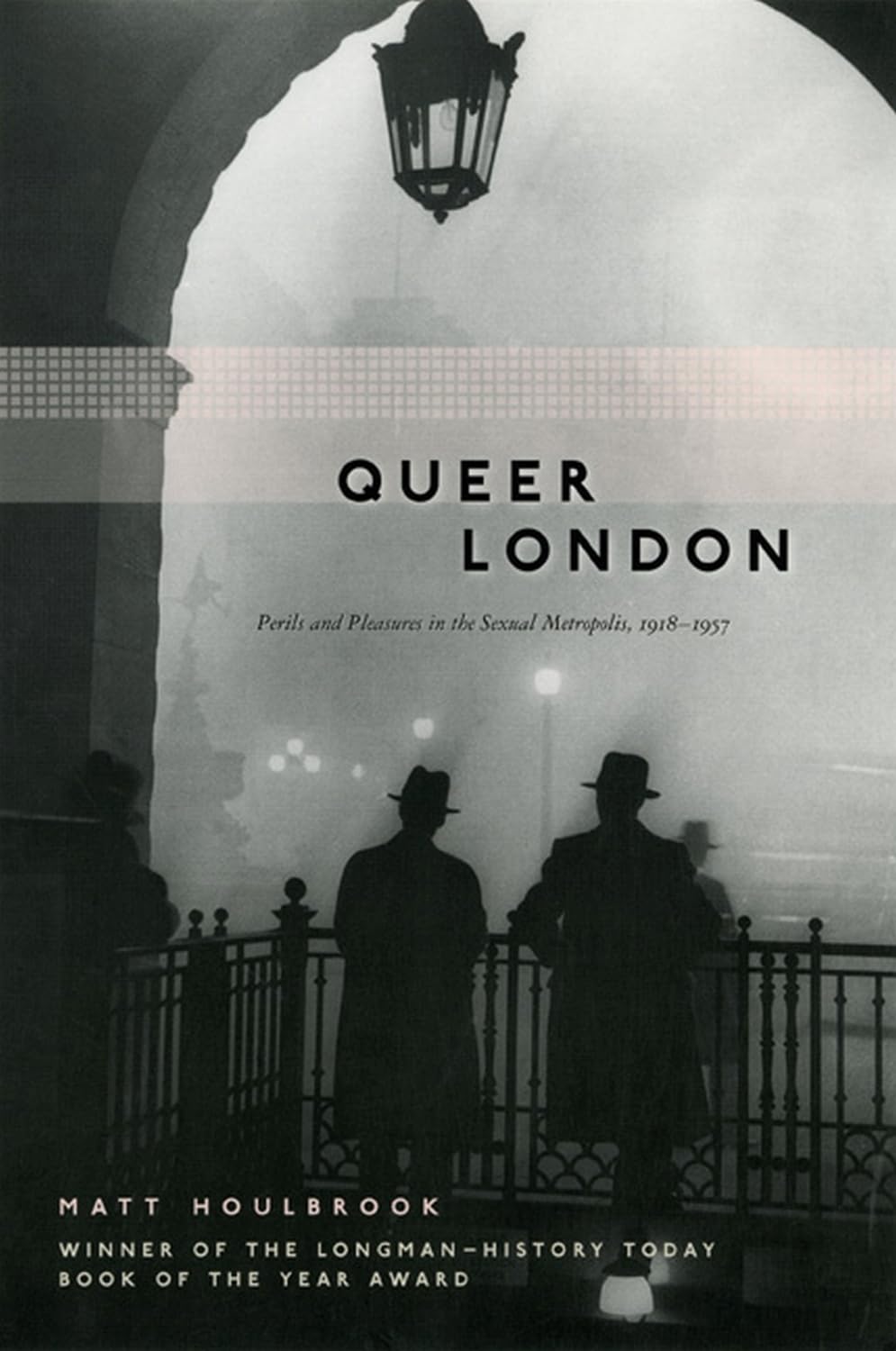
Queer Places:
University of Cambridge, 4 Mill Ln, Cambridge CB2 1RZ
St. Mary the Virgin Churchyard, Church St, Kelvedon, Colchester CO5 9AL, United Kingdom
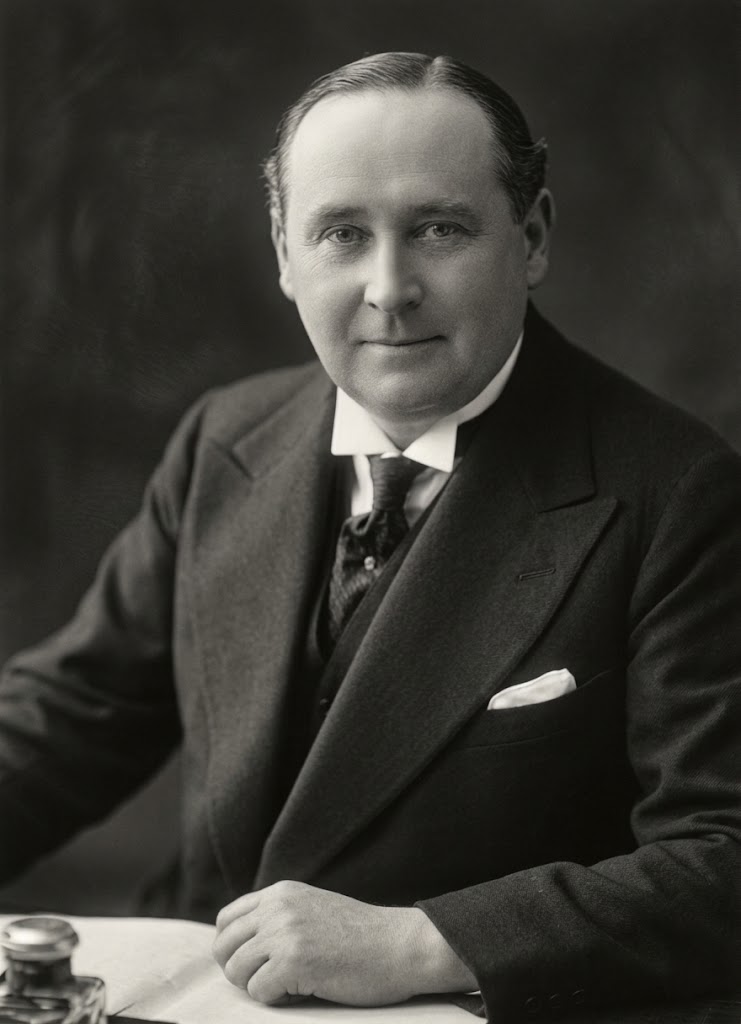 Sir Henry Honywood Curtis-Bennett, KC (July 31, 1879 - November 2, 1936) was a prominent English barrister and Conservative Party politician whose legal
career made him one of the most celebrated and fashionable defense counsels of the early twentieth century.
Sir Henry Honywood Curtis-Bennett, KC (July 31, 1879 - November 2, 1936) was a prominent English barrister and Conservative Party politician whose legal
career made him one of the most celebrated and fashionable defense counsels of the early twentieth century.
Born at Brentwood, Essex, he was the son of Sir Henry Curtis-Bennett, a Chief Metropolitan Magistrate, and grew up alongside his younger brother, Sir
Noel Curtis-Bennett, who would later achieve distinction as a civil servant and sports administrator. He was educated at Radley College and Trinity
College, Cambridge, before being called to the bar by the Middle Temple in 1902.
Prevented from military service during the First World War due to health grounds, Curtis-Bennett made significant contributions on the home front
through his legal skill. He initially defended individuals accused of espionage before being engaged directly by the War Office to cross-examine
suspected foreign spies, most notably including the famous dancer and spy Mata Hari. In recognition of his extensive wartime service and legal acumen, he
was appointed King's Counsel in 1919 and received a knighthood in 1922.
Following the war, Curtis-Bennett became a prominent figure in public life and politics. He served as the Conservative Member of Parliament for
Chelmsford from 1924 until 1926, when he resigned his seat after his wife initiated divorce proceedings against him. Outside of Parliament, he held
notable judicial appointments, serving as deputy chairman of the Essex quarter sessions from 1923 to 1925, chairman from 1935 to 1936, and Recorder of
Chelmsford from 1929 to 1935. In 1936, he was appointed full-time Chairman of the County of London Sessions, a position that surprised many given the
height of his private practice.
Throughout his career, Curtis-Bennett earned widespread fame as a "fashionable silk" involved in many of the era's most notorious criminal and civil
cases. He famously led the defense in several high-profile trials, including those of solicitor Herbert Rowse Armstrong and the joint trial of Edith
Thompson and Frederick Bywaters in 1922, as well as the murder trials of Ronald True in 1922 and Jean-Pierre Vaquier in 1924. He also defended Lord De
Clifford against charges of manslaughter in 1935, which marked the historical last trial of a peer by the House of Lords. On the prosecution side, he led
the cases against Patrick Mahon in 1924 and Norman Thorne in 1925, while his civil work included appearing as counsel before the Select Committee of the
House of Lords regarding the Women's Royal Air Force in 1918 and 1919.
Alongside his famous murder defenses, Curtis-Bennett developed a unique and remarkable reputation as a key defense lawyer in high-profile LGBTQ legal
cases of the period. Developing a consistent legal defense position for clients facing prosecution under early twentieth-century indecency laws, he
advocated for those caught in major public scandals. He successfully led the appeal for the Savoy Turkish Baths against the revocation of their
operational license and defended workingmen involved in prominent "pansy cases," including the scandals surrounding Fitzroy Square, the Adelphi Rooms,
and one of the Camp Boys. Although he represented working-class individuals in these instances, his client base largely consisted of wealthy and
prominent men who were able to leverage their class privilege to secure his high-caliber legal representation and navigate magisterial sympathy.
Sir Henry Curtis-Bennett died suddenly on 2 November 1936 at the age of 57 after collapsing while addressing a dinner of the National Greyhound Racing
Society at the Dorchester Hotel in London. He was laid to rest in St. Mary the Virgin Churchyard in Kelvedon, Essex. His legal legacy continued through
his family, as his son Frederick Henry "Derek" Curtis-Bennett (1904–1956) from his first marriage also became a celebrated barrister, marking the third
consecutive generation of the family to achieve distinction at the English bar. In popular culture, his legal career was later commemorated when he was
portrayed by actor Charles Kay in the Granada Television series Lady Killers.
References:
Other references:
- Wild, Roland, and Derek Curtis-Bennett. Curtis: The Life of Sir Henry Curtis-Bennett, K.C. London: Cassell & Co., 1937. (The definitive biography written by his son Derek Curtis-Bennett in collaboration with journalist Roland Wild).
- Huggins, Mike. Vice and the Victorians. London: Bloomsbury Academic, 2015. (Examines social history, legal defense, and subcultures, referencing Curtis-Bennett's involvement in high-profile cases).
- Broad, Lewis. The Innocence of Edith Thompson: A Study in Old Bailey Justice. London: Hutchinson, 1952. (Details Curtis-Bennett's defense strategy in the Thompson and Bywaters murder trial).
- Young, Filson (Ed.). Trial of Frederick Bywaters and Edith Thompson. Notable British Trials Series. Edinburgh and London: William Hodge & Company, 1923. (Official trial transcripts and legal commentary featuring Curtis-Bennett's arguments).
- Stephen, Sir Harry (Ed.). Trial of Herbert Rowse Armstrong. Notable British Trials Series. Edinburgh and London: William Hodge & Company, 1927. (Comprehensive record of the Armstrong murder trial where Curtis-Bennett led the defense).
- The Times (London) Archives (1902–1936). Contemporary news coverage detailing his call to the bar, wartime spy cross-examinations (including Mata Hari), parliamentary career as MP for Chelmsford, high-profile Old Bailey trials, and obituary coverage following his collapse at the Dorchester Hotel on November 2, 1936.
- Hansard Parliamentary Debates. Official records of Sir Henry Curtis-Bennett's contributions as Conservative MP for Chelmsford (1924–1926).
- UK National Archives (Kew). War Office and Director of Public Prosecutions records regarding First World War counter-espionage interrogations and major criminal prosecutions.
Support this project
This website is a passion project researched, developed, and funded entirely by me. If you find the content valuable and would like to help support the ongoing research and hosting costs, any contribution is deeply appreciated.
Thank you for keeping this independent resource alive!
My books on Amazon: Elisa Rolle's books
BACK TO HOME PAGE